
Blessing of Ramadhan for All, A Ray of Hope for Palestine
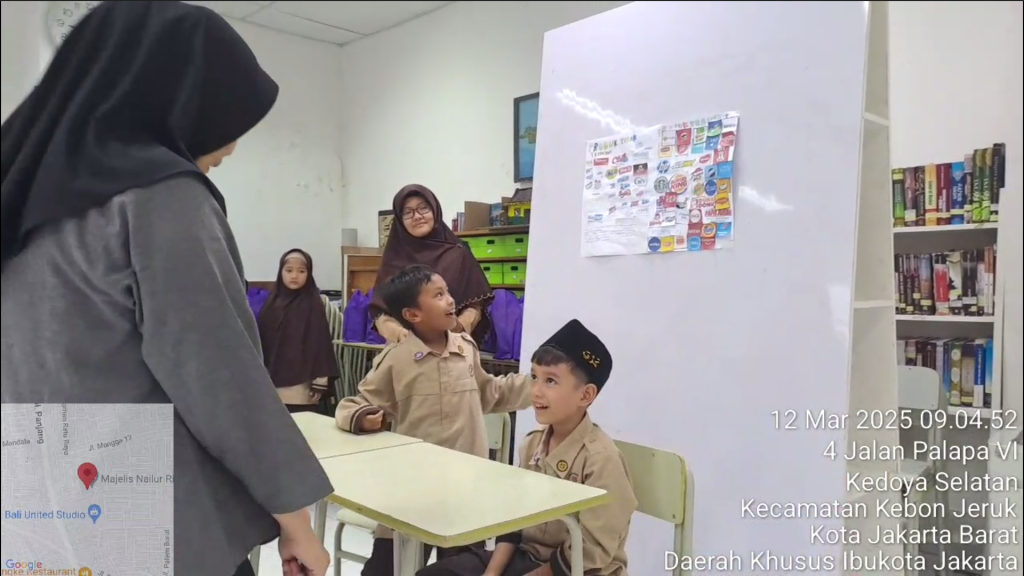
Care for Society is a community outreach initiative held during Ramadhan where students actively contribute by donating essential food ingredients such as rice, cooking oil, sugar, and other daily necessities. All products selected and distributed in this program are carefully chosen to be boycott-free brands, reflecting our commitment to ethical awareness and responsible consumption.
Through this activity, students learn the importance of empathy, generosity, and social responsibility. The collected items are distributed to families in need, allowing students to directly experience the value of sharing and caring for the wider community.
ZISWAF (Zakat, Infaq, Shadaqah, and Wakaf) is one of our key Ramadhan programs that cultivates generosity and accountability among students. Throughout the program, students actively participate in collecting and carefully counting contributions from their peers, learning the values of trust, transparency, and responsibility in managing charitable funds.
Once collected and recorded, the ZISWAF contributions are promptly distributed to those in need. This direct distribution allows students to witness the immediate impact of their collective kindness and strengthens their understanding of social solidarity.
Through ZISWAF, students are not only encouraged to give, but also to understand the amanah (trust) behind every contribution transforming charity into both a spiritual practice and a character-building experience.
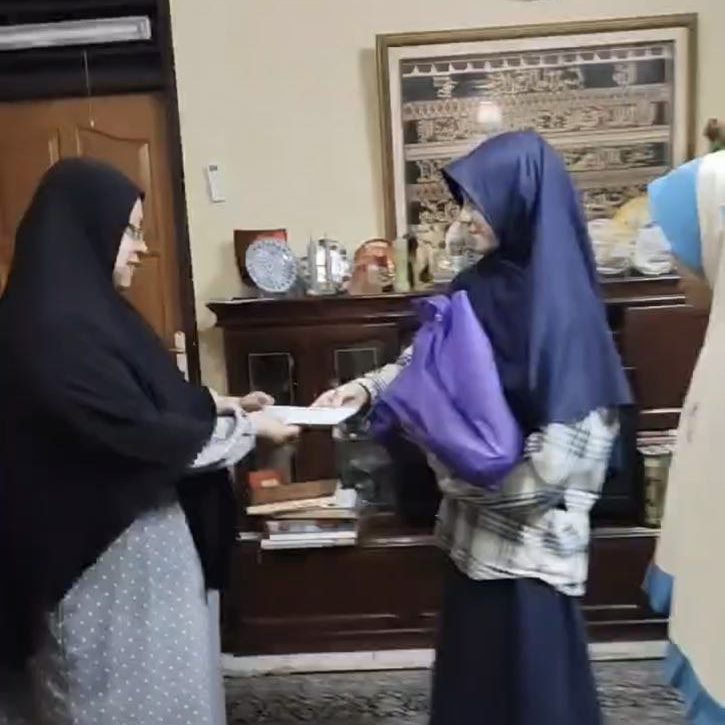
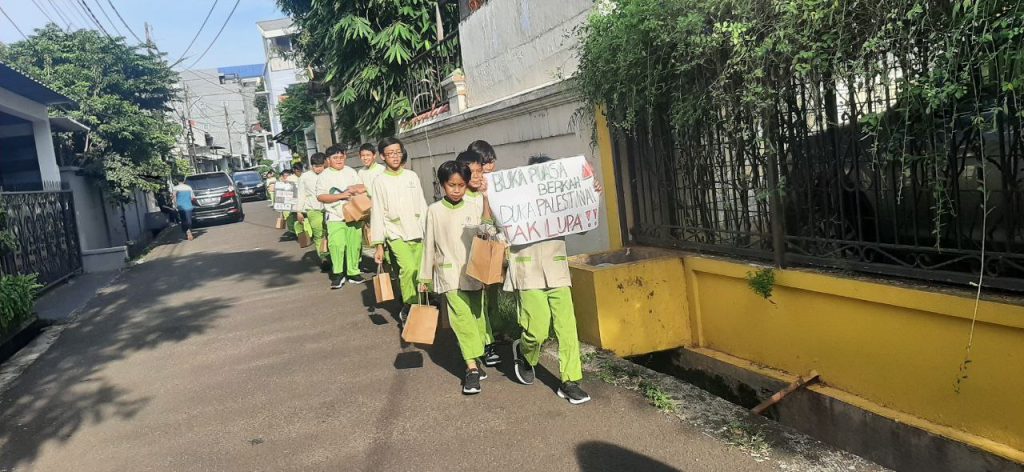
Ta’jil on the Road is a Ramadhan outreach activity where students prepare and distribute iftar meals to the community. They begin by creating posters, then work together to pack food and drinks neatly into meal boxes.
Organized in phases, each group visits different locations to share the ta’jil with people on the road before maghrib. Through this program, students practice teamwork, responsibility, and the spirit of generosity in sharing the blessings of Ramadhan.
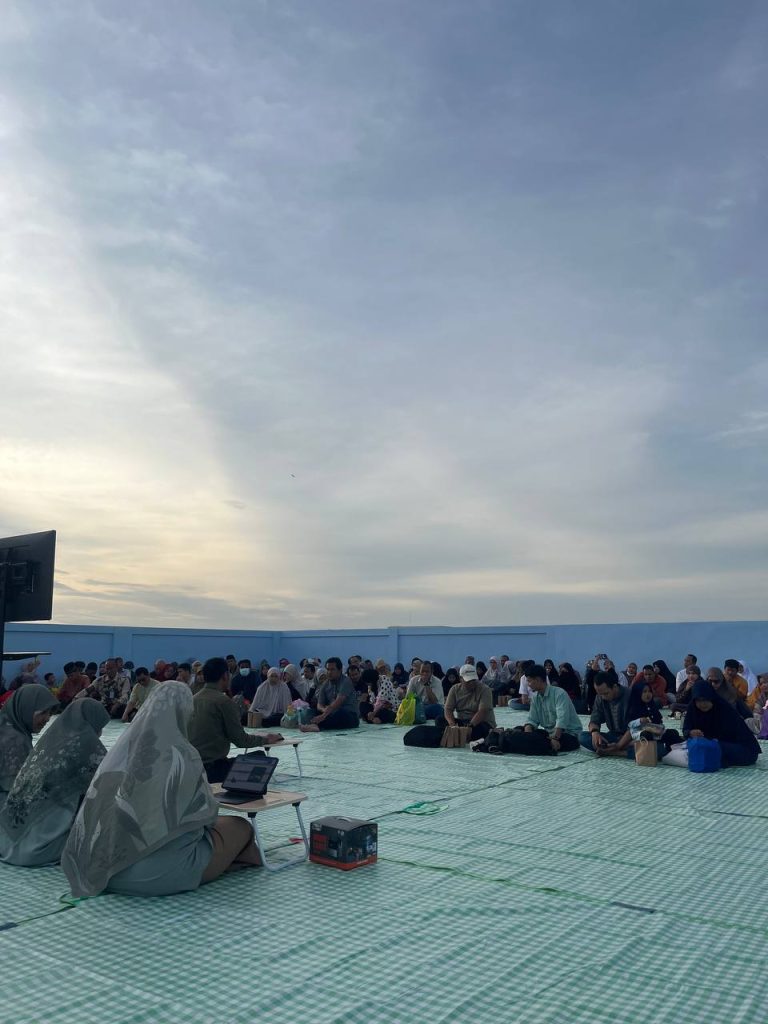
Iftar Jama‘i, a meaningful gathering where parents, students, and teachers came together to break their fast at school. This moment of togetherness strengthened the bond between families and the school community. During the event, the Director of SIT Al Kawaakib delivered valuable insights and new knowledge, reminding everyone of the deeper purpose of Ramadan and the importance of nurturing faith and character within the family and educational environment.
Iftar Jama’i beautifully reflected the concept of the three teachers in a child’s life. The first and foremost teacher is the parent, as the family is the child’s first madrasa where values, habits, and faith are introduced. The second teacher is the school educator, who guides, facilitates knowledge, and models character in the learning process. The third teacher is the environment, which shapes attitudes, perspectives, and behavior through daily experiences. Iftar Jama‘i symbolized the harmony between these three elements parents, teachers, and environment coming together to create a supportive ecosystem that nurtures students as Abdullah and Khalifatullah, individuals who grow in faith, character, and love for knowledge.
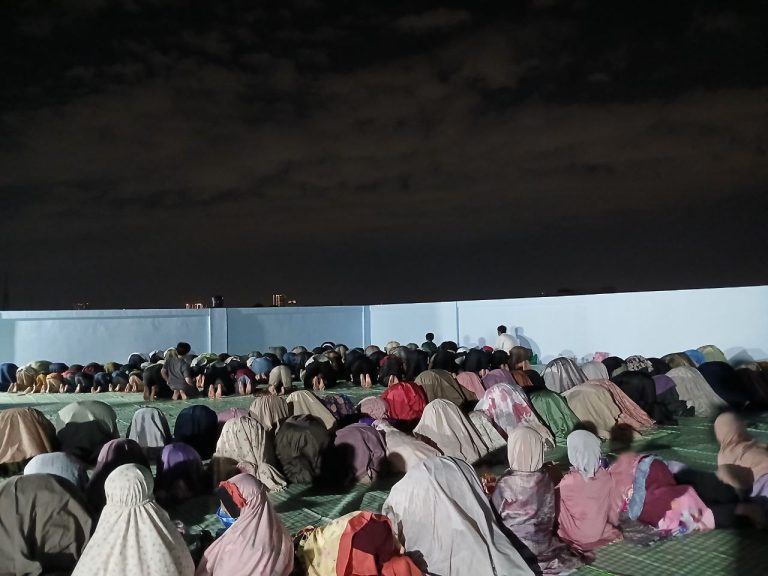
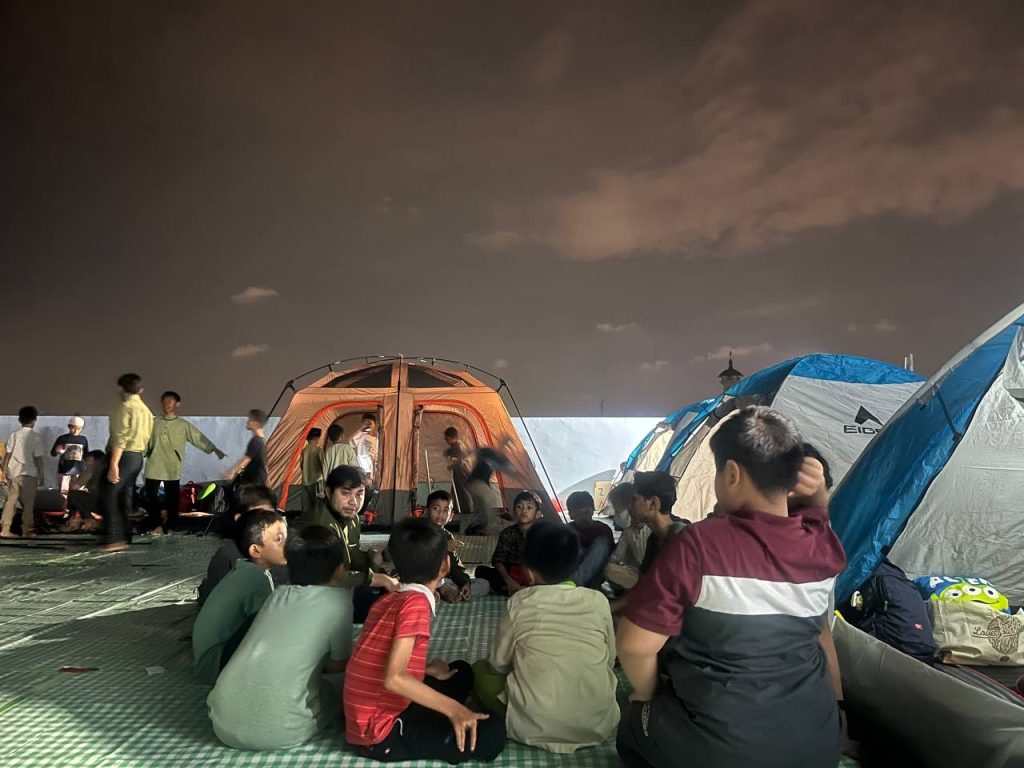
I‘tikaf simulation on the rooftop to provide students with a meaningful spiritual retreat experience. Male students stayed overnight in tents, embracing simplicity, discipline, and reflection in an environment that encouraged devotion and brotherhood.
Before dawn, they prepared their own sahoor, practicing responsibility, teamwork, and independence. Through this activity, students learned that I‘tikaf is not only about staying overnight, but about strengthening focus, patience, and sincerity in worship.
As Allah سبحانه وتعالى says:
“O you who believe, fasting has been prescribed for you as it was prescribed for those before you, so that you may attain taqwa.”
(Qur’an, Al-Baqarah 2:183)
Through this experience, students were reminded that the essence of Ramadan is developing taqwa, awareness, discipline, and closeness to Allah in everyday life.